The claimWhat Arianna actually said
In an interview tied to The Sleep Revolution, Huffington made the case that prioritizing sleep underpins every other aspect of well-being and performance, pushing back on a culture that treats sleeplessness as a badge of honor.
Why it mattersWhy this matters for longevity
Sleep is one of the most modifiable and far-reaching of all health behaviors.
It pushes back on a productivity culture that frames sleeplessness as a virtue.
The evidenceWhat the science says
Pooled prospective data show short sleep carries roughly a 12% higher mortality risk and long sleep about 30% higher, alongside links to cardiovascular and metabolic harm.
Because the data are observational and U-shaped, illness can shorten or lengthen sleep, and simply sleeping more is not automatically protective.
TakeawayThe honest takeaway
The practical lesson
Protect a consistent seven-to-nine hours; treat sleep as a health priority rather than a luxury you can skip.
Planning for a parent, or for yourself?
Good habits matter, and so does knowing what help exists. AIOSeniors asks a few questions and gives you a free, personalized list of what applies: government programs, nonprofits and community resources included, whether or not anyone earns anything from them. Where the answer is not known, it says so.
RelatedRelated habits
Each of these is a habit you can build on its own. Explore them through the Topics index.
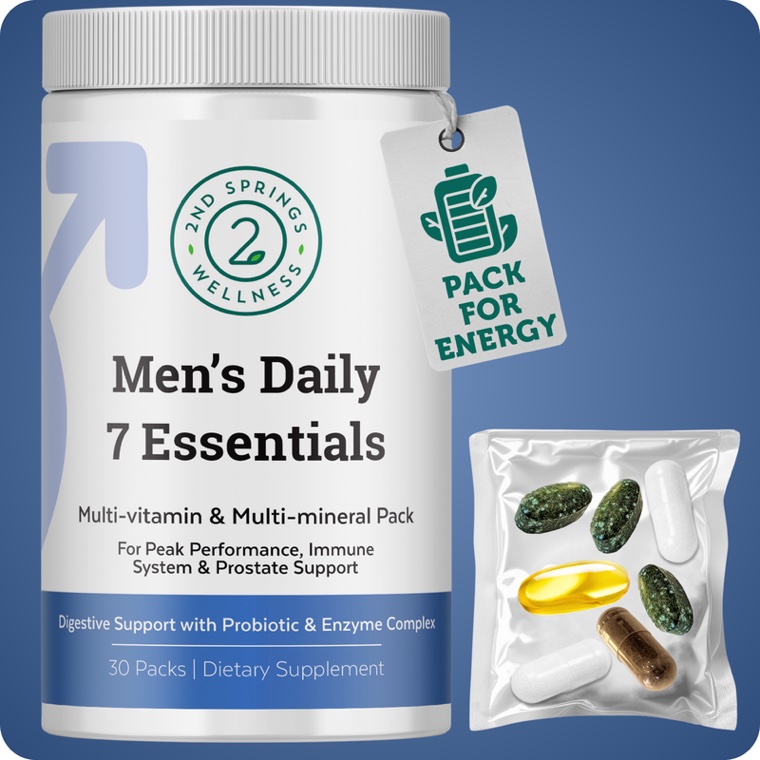
SupplementsThe supplement angle: Magnesium
Support a habit, do not replace one
Magnesium is often promoted for sleep, but the evidence is modest and inconsistent. Sleep timing, light exposure, and routine matter more than any supplement.
Supplements can support good habits. They do not replace sleep, movement, nutrition, or medical care. Talk with your healthcare provider before starting anything new.
This is educational commentary, not medical advice, and does not imply that Arianna Huffington endorses, is affiliated with, or uses Winning Longevity or any product. We critique the claim and the evidence, not the person. Any direct quote is a placeholder until sourced. Talk with a qualified healthcare provider before changing your routine. See our health disclaimer.