The claimWhat Carl actually said
Lewis wrote this in his introduction to the cookbook Very Vegetarian by Jannequin Bennett, describing the diet he adopted in 1990. The season that followed included the 1991 World Championships in Tokyo, where he ran a 100m world record. He also says the diet has kept his weight under control since he stopped competing.
- earthsave.org: Carl Lewis in their own words
- Craddock, International Journal of Sport Nutrition and Exercise Metabolism, 2016, review found no consistent performance advantage or disadvantage for vegetarian compared with omnivorous athletes.
- Lim, Nutrients, 2021, meta-analysis of randomized trials found animal and plant protein produced similar gains in lean mass and muscle strength overall.
- Dinu, Critical Reviews in Food Science and Nutrition, 2017, meta-analysis linked vegetarian and vegan diets to lower cardiovascular and cancer risk in observational cohorts.
Why it mattersWhy this matters for longevity
Vegan eating is often assumed to be incompatible with strength and power sport, and that assumption is not supported
The protein question is the practical one, and it turns on total intake rather than source
A single athlete's best season cannot separate diet from training, coaching, age and taper
The evidenceWhat the science says
A systematic comparison of vegetarian and omnivorous athletes found no consistent difference in aerobic capacity, strength or performance between the two groups. Randomized trials pooled in a meta-analysis found plant and animal protein produced broadly similar gains in lean mass and strength when protein intake was adequate, and observational cohorts link vegetarian and vegan patterns to lower cardiovascular and cancer risk.
The evidence does not support a performance advantage from going vegan, and it cannot support the specific attribution Lewis makes. 1991 was also his peak competitive age with peak coaching and preparation behind it. Poorly planned vegan diets carry real risks in athletes, particularly for vitamin B12, iron, iodine, zinc and total energy intake, and low energy availability is a well documented problem in the sport.
TakeawayThe honest takeaway
The practical lesson
If you want to eat this way, plan the diet around adequate total protein, energy and B12 rather than expecting the diet itself to make you faster.
Planning for a parent, or for yourself?
Good habits matter, and so does knowing what help exists. AIOSeniors asks a few questions and gives you a free, personalized list of what applies: government programs, nonprofits and community resources included, whether or not anyone earns anything from them. Where the answer is not known, it says so.
RelatedRelated habits
Each of these is a habit you can build on its own. Explore them through the Topics index.
SupplementsThe supplement angle: Vitamin B12 and iron
Support a habit, do not replace one
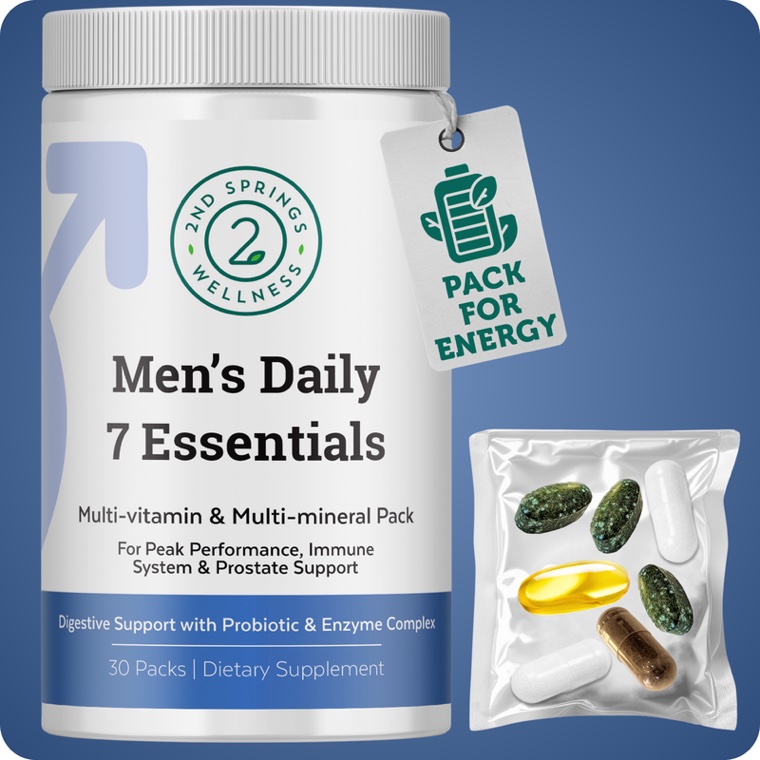
Vitamin B12 is not reliably available from plant foods, so a supplement or fortified food is standard practice on a vegan diet. Iron and zinc are absorbed less efficiently from plant sources, and status is worth checking with a clinician rather than guessing.
Supplements can support good habits. They do not replace sleep, movement, nutrition, or medical care. Talk with your healthcare provider before starting anything new.
This is educational commentary, not medical advice, and does not imply that Carl Lewis endorses, is affiliated with, or uses Winning Longevity or any product. We critique the claim and the evidence, not the person. Any direct quote is a placeholder until sourced. Talk with a qualified healthcare provider before changing your routine. See our health disclaimer.