The claimWhat David actually said
Attenborough described the change as undramatic and gradual rather than a conversion, noting that he still eats fish and cheese but had largely stopped eating red meat. He has framed the shift primarily around the environmental cost of meat production rather than as a personal longevity strategy. Coverage around his hundredth birthday revisited the quote as part of a wider look at his habits.
- today.com: David Attenborough in their own words
- Larsson and Orsini, American Journal of Epidemiology, 2014, meta-analysis finding processed meat consumption associated with higher all-cause mortality and a weaker association for unprocessed red meat.
- Schwingshackl et al., American Journal of Clinical Nutrition, 2017, dose-response meta-analysis of food groups placing red and processed meat among intakes associated with increased all-cause mortality.
- Zeraatkar et al., Annals of Internal Medicine, 2019, systematic review grading the evidence for red and processed meat reduction as low certainty with small absolute effects.
Why it mattersWhy this matters for longevity
Red meat is one of the most argued-over foods in nutrition, and the disagreement is about certainty rather than direction.
Processed meat and unprocessed red meat behave differently in the data and are routinely reported as one thing.
The evidenceWhat the science says
Dose-response meta-analyses of prospective cohorts find higher all-cause mortality associated with greater processed meat consumption, with a weaker and less consistent association for unprocessed red meat. Broader food-group analyses place red and processed meat among the intakes associated with increased mortality, alongside whole grains, vegetables and nuts associated with reduced mortality.
The caveat is substantial. A systematic review applying formal certainty grading concluded the evidence for reducing red and processed meat is low certainty, with small absolute risk reductions at a population level. These are observational data with unavoidable confounding, no randomized trial has tested meat reduction against a mortality endpoint, and no dietary pattern has been shown to extend maximum lifespan or account for an individual reaching 100.
TakeawayThe honest takeaway
The practical lesson
Cutting back on processed meat is the better-evidenced half of this change, and it does not require giving up meat entirely.
Planning for a parent, or for yourself?
Good habits matter, and so does knowing what help exists. AIOSeniors asks a few questions and gives you a free, personalized list of what applies: government programs, nonprofits and community resources included, whether or not anyone earns anything from them. Where the answer is not known, it says so.
RelatedRelated habits
Each of these is a habit you can build on its own. Explore them through the Topics index.
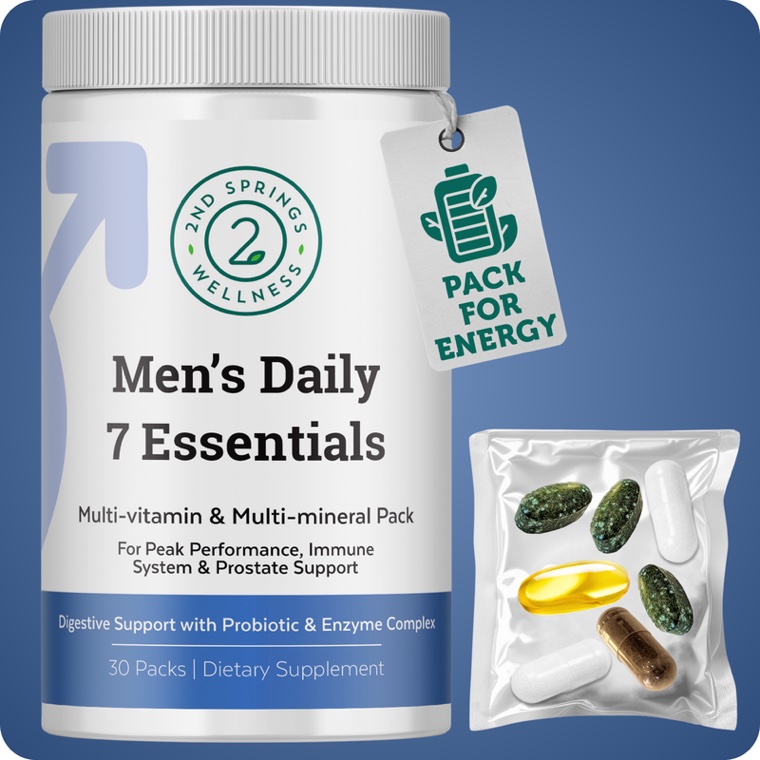
SupplementsThe supplement angle: Vitamin B12 and iron
Support a habit, do not replace one
People who substantially reduce meat, particularly older adults, are commonly advised to keep an eye on vitamin B12 and iron status. Testing rather than routine supplementation is the usual starting point.
Supplements can support good habits. They do not replace sleep, movement, nutrition, or medical care. Talk with your healthcare provider before starting anything new.
This is educational commentary, not medical advice, and does not imply that David Attenborough endorses, is affiliated with, or uses Winning Longevity or any product. We critique the claim and the evidence, not the person. Any direct quote is a placeholder until sourced. Talk with a qualified healthcare provider before changing your routine. See our health disclaimer.