The claimWhat Dean actually said
Ornish made the comment on publication of a randomized controlled trial in Alzheimer's Research & Therapy in June 2024, which tested a 20-week intensive lifestyle program in 51 people with mild cognitive impairment or early dementia due to Alzheimer's disease. In the same announcement he stated plainly that there is no cure for Alzheimer's, and framed the result as improved quality of life rather than a treatment. The program combined a whole-food plant-based diet, daily walking and strength work, stress management, group support sessions and supplements.
- prnewswire.com: Dean Ornish in their own words
- Ornish et al., Alzheimer's Research & Therapy, 2024: in 51 people with mild cognitive impairment or early Alzheimer's, a 20-week intensive lifestyle program improved or stabilized cognition and function relative to controls.
- Ngandu et al., The Lancet, 2015: the 2-year FINGER multidomain trial in 1,260 at-risk older adults produced a modest improvement in a composite cognitive score.
- Livingston et al., The Lancet, 2024: the Lancet Commission attributes a large share of dementia cases to 14 modifiable risk factors across the life course.
Why it mattersWhy this matters for longevity
Most Alzheimer's research targets prevention in healthy people; this trial enrolled people who already had symptoms, which is where families are actually standing
The individual components, exercise, diet quality, stress and social connection, each carry independent evidence for brain and heart health
The program is demanding, and a result achieved under close supervision is not the same as one achieved at home
The evidenceWhat the science says
In the 20-week randomized trial, the intervention group scored better than controls on several standard cognitive and functional measures, and the majority of the intervention group either improved or stayed level. The 2-year FINGER trial in over 1,200 at-risk older adults also found a modest benefit on a composite cognitive score from a multidomain program, and the 2024 Lancet Commission estimates a large share of dementia cases are associated with modifiable risk factors, which is consistent with the underlying premise.
What the evidence does not support is reversal, cure, or the idea that this works for everyone. The trial had 51 participants, ran for 20 weeks, and could not blind participants to which group they were in, all of which inflate the risk of an overstated effect. Other multidomain prevention trials have failed to replicate FINGER, and no trial has shown that lifestyle change stops the underlying disease process.
TakeawayThe honest takeaway
The practical lesson
Daily walking, strength work, a mostly plant-based diet and real social contact are worth doing on their own merits, and should be added to medical care rather than substituted for it.
Planning for a parent, or for yourself?
Good habits matter, and so does knowing what help exists. AIOSeniors asks a few questions and gives you a free, personalized list of what applies: government programs, nonprofits and community resources included, whether or not anyone earns anything from them. Where the answer is not known, it says so.
RelatedRelated habits
Each of these is a habit you can build on its own. Explore them through the Topics index.
SupplementsThe supplement angle: Omega-3 and vitamin B12
Support a habit, do not replace one
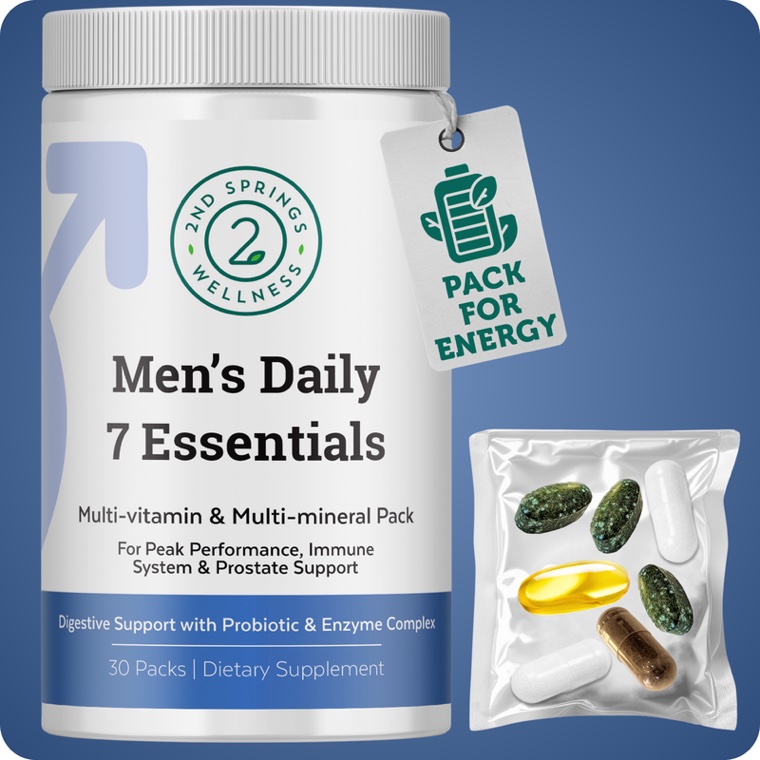
The trial protocol included several supplements alongside the diet and exercise components, so their individual contribution cannot be separated out. Anyone eating mostly plant-based should discuss B12 status with a clinician, since it is the one nutrient the pattern reliably lacks.
Supplements can support good habits. They do not replace sleep, movement, nutrition, or medical care. Talk with your healthcare provider before starting anything new.
This is educational commentary, not medical advice, and does not imply that Dean Ornish endorses, is affiliated with, or uses Winning Longevity or any product. We critique the claim and the evidence, not the person. Any direct quote is a placeholder until sourced. Talk with a qualified healthcare provider before changing your routine. See our health disclaimer.