The claimWhat Ernestine actually said
In a TIME question and answer interview, Shepherd described the routine she built after taking up exercise in her fifties following her sister's death. She listed four components she says anyone can follow, and added that people should not listen to anyone who tells them they are too old or starting too late. She was speaking about her own regimen, not selling a program or a product.
- time.com: Ernestine Shepherd in their own words
- Liu CJ, Cochrane Database of Systematic Reviews, 2009: progressive resistance strength training improved physical function and strength in older adults across 121 randomized trials.
- Fragala MS, Journal of Strength and Conditioning Research, 2019: NSCA position statement concluding resistance training is safe and effective for older adults when properly prescribed.
- Momma H, British Journal of Sports Medicine, 2022: meta-analysis of prospective cohorts finding muscle-strengthening activity associated with lower all-cause and disease-specific mortality.
- Cadore EL, Age (Dordrecht), 2014: randomized trial in institutionalized frail nonagenarians showing multicomponent exercise with power training improved muscle mass, power output and function.
Why it mattersWhy this matters for longevity
Muscle mass and power decline from roughly the fourth decade onward, and power loss tracks more closely with falls and loss of independence than strength alone.
The belief that it is too late to start is itself a barrier: trials in institutionalized adults in their nineties show measurable gains in strength, gait and functional capacity within twelve weeks.
Combining resistance and aerobic work covers two different risk pathways, muscular and cardiovascular, that neither one addresses alone.
The evidenceWhat the science says
A Cochrane review of 121 randomized trials found progressive resistance training improved physical function and strength in older adults, and a 2022 prospective cohort meta-analysis in the British Journal of Sports Medicine found muscle-strengthening activity of roughly 30 to 60 minutes a week was associated with lower all-cause mortality independent of aerobic activity. A randomized trial in institutionalized frail nonagenarians found a twelve-week multicomponent program including power training increased muscle mass and functional outcomes, which directly answers the too-old objection.
What the evidence does not support is the leap from the habits to her results. Shepherd is an outlier, and the trials show average improvements in function and risk, not that a given person can become a competitive bodybuilder in their eighties. The trial data also says nothing about her specific ordering or her water advice, where the evidence is thin and mostly about avoiding dehydration rather than any benefit from drinking more. Adults with cardiac, joint or balance conditions should have a clinician set the starting load.
TakeawayThe honest takeaway
The practical lesson
Two short resistance sessions a week plus regular walking is the version of this with the strongest evidence behind it, and starting late still counts.
Planning for a parent, or for yourself?
Good habits matter, and so does knowing what help exists. AIOSeniors asks a few questions and gives you a free, personalized list of what applies: government programs, nonprofits and community resources included, whether or not anyone earns anything from them. Where the answer is not known, it says so.
RelatedRelated habits
Each of these is a habit you can build on its own. Explore them through the Topics index.
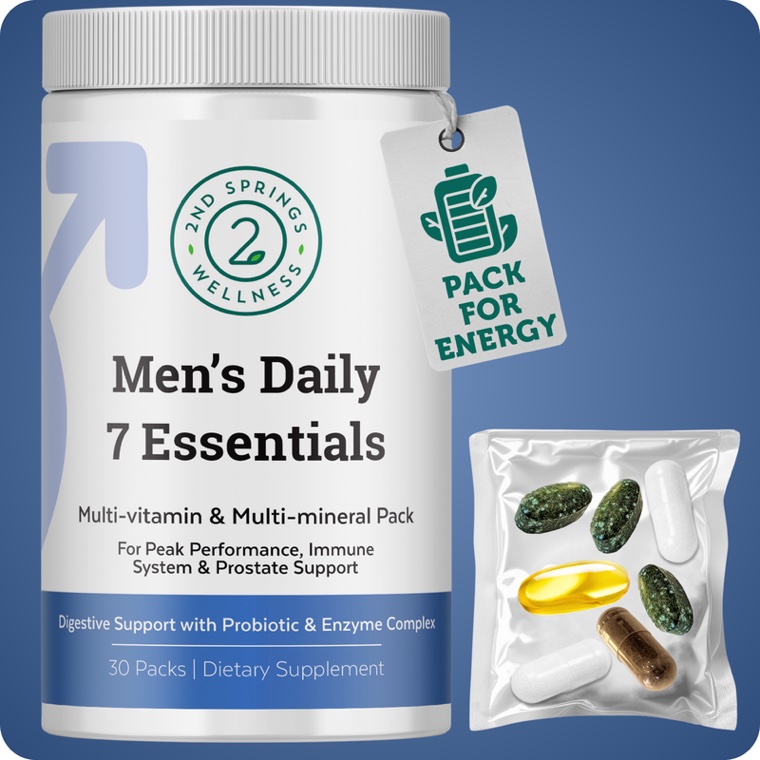
SupplementsThe supplement angle: Protein and vitamin D
Support a habit, do not replace one
Older adults often fall short of the protein intake that supports a training response, and vitamin D status is commonly low in people who train indoors. Neither substitutes for the training itself, and a clinician can check whether either is actually needed.
Supplements can support good habits. They do not replace sleep, movement, nutrition, or medical care. Talk with your healthcare provider before starting anything new.
This is educational commentary, not medical advice, and does not imply that Ernestine Shepherd endorses, is affiliated with, or uses Winning Longevity or any product. We critique the claim and the evidence, not the person. Any direct quote is a placeholder until sourced. Talk with a qualified healthcare provider before changing your routine. See our health disclaimer.