The claimWhat Jennifer actually said
Reflecting on keeping off roughly 80 pounds, Hudson has repeatedly said she does not deprive herself and instead watches portions and balance. She frames it as breaking a restrictive diet mentality in favor of moderation.
Why it mattersWhy this matters for longevity
Portion sizes have grown over decades, quietly pushing daily calorie intake up.
A non-restrictive, portion-based approach tends to be more sustainable than eliminating whole food groups.
The evidenceWhat the science says
A Cochrane review of 72 mostly experimental studies found people consumed more food and drink when offered larger portions, packages or tableware, on the order of 200-plus extra calories a day for adults.
The evidence was rated moderate quality and largely captures short-term intake, so it does not directly prove that portion control alone sustains long-term weight loss for any individual.
TakeawayThe honest takeaway
The practical lesson
Right-sizing portions is a low-effort, evidence-backed way to manage intake without banning the foods you love.
Planning for a parent, or for yourself?
Good habits matter, and so does knowing what help exists. AIOSeniors asks a few questions and gives you a free, personalized list of what applies: government programs, nonprofits and community resources included, whether or not anyone earns anything from them. Where the answer is not known, it says so.
RelatedRelated habits
Each of these is a habit you can build on its own. Explore them through the Topics index.
SupplementsThe supplement angle: Protein and fiber
Support a habit, do not replace one
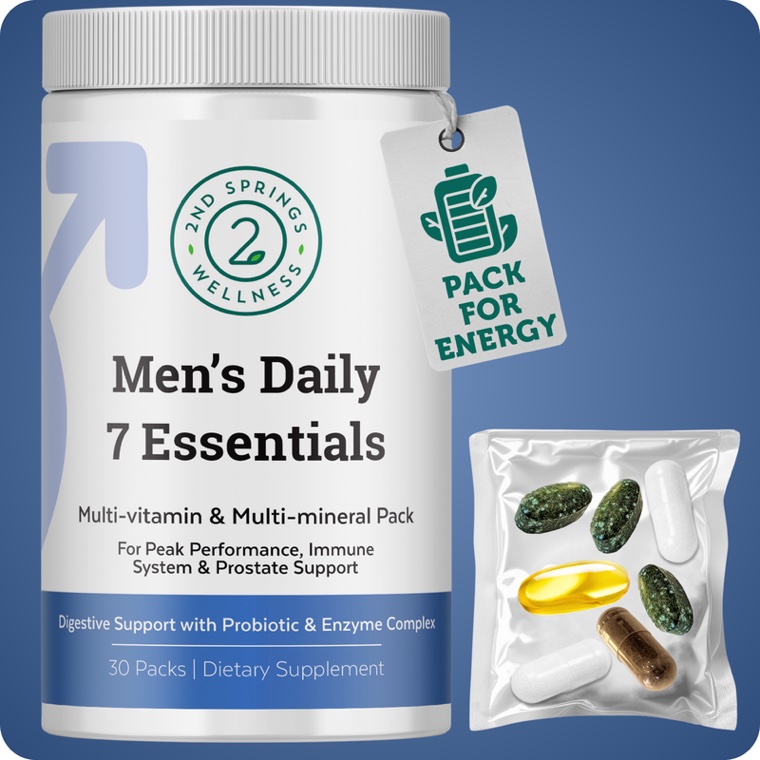
Meals built around protein and fiber tend to increase fullness, which can make smaller portions feel more satisfying, though whole foods generally beat supplements for this.
Supplements can support good habits. They do not replace sleep, movement, nutrition, or medical care. Talk with your healthcare provider before starting anything new.
This is educational commentary, not medical advice, and does not imply that Jennifer Hudson endorses, is affiliated with, or uses Winning Longevity or any product. We critique the claim and the evidence, not the person. Any direct quote is a placeholder until sourced. Talk with a qualified healthcare provider before changing your routine. See our health disclaimer.