The claimWhat Rebel actually said
Describing her current fitness routine, Wilson said she had been running a personal step challenge and added that she is not a runner. She framed walking as the sustainable option and mentioned swimming as something she would like to add.
- aol.com: Rebel Wilson in their own words
- Paluch et al., Lancet Public Health, 2022: meta-analysis of 15 cohorts found lower mortality with more daily steps, plateauing at about 6,000 to 8,000 steps in adults 60 and older.
- Banach et al., European Journal of Preventive Cardiology, 2023: meta-analysis reported lower all-cause and cardiovascular mortality per additional 1,000 daily steps.
Why it mattersWhy this matters for longevity
Step targets are the most widely adopted health goal on earth, and most people are chasing a number that was never derived from data.
The steepest health gain is from the least active people moving a little more, which reframes who has the most to gain.
Choosing an activity you will actually repeat matters more than choosing the one with the best theoretical numbers.
The evidenceWhat the science says
A meta-analysis of 15 international cohorts found progressively lower all-cause mortality with more daily steps, with the association plateauing at roughly 6,000 to 8,000 steps in adults aged 60 and older and roughly 8,000 to 10,000 in younger adults. A separate meta-analysis reported lower all-cause and cardiovascular mortality with each additional 1,000 steps, starting from counts well under 5,000.
What the evidence does not support is treating 10,000 as a threshold below which the effort does not count. It also cannot separate cause from consequence: people who are already healthier walk more. Step counts alone say nothing about strength or muscle mass, which walking does little to build.
TakeawayThe honest takeaway
The practical lesson
Add roughly 1,000 to 2,000 steps to whatever you currently do, and stop treating 10,000 as pass or fail.
Planning for a parent, or for yourself?
Good habits matter, and so does knowing what help exists. AIOSeniors asks a few questions and gives you a free, personalized list of what applies: government programs, nonprofits and community resources included, whether or not anyone earns anything from them. Where the answer is not known, it says so.
RelatedRelated habits
Each of these is a habit you can build on its own. Explore them through the Topics index.
SupplementsThe supplement angle: Protein and vitamin D
Support a habit, do not replace one
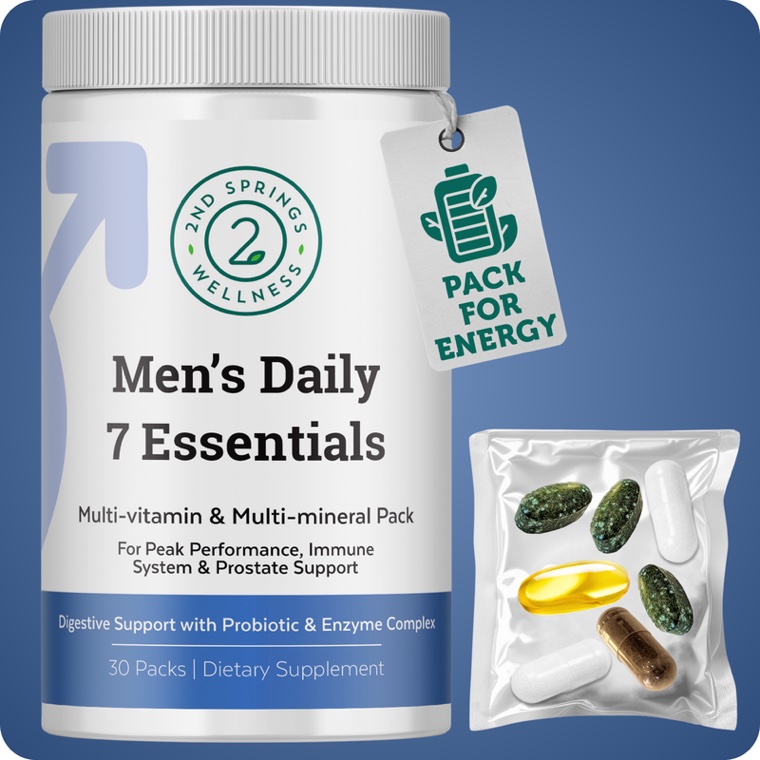
Walking preserves cardiovascular fitness but does little for muscle, so adequate protein and vitamin D status are usually discussed alongside resistance training rather than steps. Blood levels are worth checking before supplementing.
Supplements can support good habits. They do not replace sleep, movement, nutrition, or medical care. Talk with your healthcare provider before starting anything new.
This is educational commentary, not medical advice, and does not imply that Rebel Wilson endorses, is affiliated with, or uses Winning Longevity or any product. We critique the claim and the evidence, not the person. Any direct quote is a placeholder until sourced. Talk with a qualified healthcare provider before changing your routine. See our health disclaimer.