The claimWhat Sadhguru actually said
In a talk published on the Isha Foundation site about the right way to do intermittent fasting, Sadhguru describes his own habit of generally eating one meal in the late afternoon, then sets out an eight-hour minimum gap between meals as the yogic recommendation. He goes further than describing a practice and attaches a specific outcome to it, saying a minimum of fifty percent of health problems will go away in six weeks, and adding that he guarantees it. The talk is framed as yogic teaching rather than clinical guidance.
- isha.sadhguru.org: Sadhguru in their own words
- Garegnani et al., Cochrane Database of Systematic Reviews, 2026, 21 studies and 1,430 participants: intermittent fasting may result in little to no difference in weight loss versus regular dietary advice
- Lowe et al., JAMA Internal Medicine, 2020, TREAT randomized trial of 16:8 eating: no significant between-group weight difference and a significant fall in appendicular lean mass index in the fasting group
- Cioffi et al., Journal of Translational Medicine, 2018, systematic review and meta-analysis of randomized trials: intermittent and continuous energy restriction achieved comparable weight loss and metabolic improvements
Why it mattersWhy this matters for longevity
Meal timing is one of the easiest things to change, which is exactly why overstated promises attach to it so readily
A guaranteed six-week fix can push someone to delay care for a problem that needs treating
Losing lean mass matters more with age than losing weight does
The evidenceWhat the science says
The 2026 Cochrane review of intermittent fasting in adults with overweight or obesity pooled 21 studies and 1,430 participants and found little to no difference in weight loss compared with regular dietary advice, with low-certainty evidence. An earlier meta-analysis of randomized trials reached the same place from the other direction, reporting that intermittent and continuous energy restriction achieved comparable weight loss and metabolic improvement. So the pattern is a legitimate option: if long gaps between meals help someone eat less without counting anything, it works as well as the alternative.
What the evidence does not support is the outcome attached to it. The TREAT randomized trial of 16:8 eating found a small within-group weight decrease, no significant difference against a three-meal control, and a significant loss of appendicular lean mass in the fasting group, which is the opposite of what you want while aging. Nothing in this literature measures the resolution of unspecified health problems, and no trial has run the six-week test being guaranteed here. Long gaps are also not neutral for everyone: anyone on glucose-lowering medication, anyone pregnant, and anyone with a history of disordered eating should not adopt this without medical advice.
TakeawayThe honest takeaway
The practical lesson
If long gaps between meals help you eat less, they are a fine way to do it, but judge them on how you eat overall rather than on the clock itself.
Planning for a parent, or for yourself?
Good habits matter, and so does knowing what help exists. AIOSeniors asks a few questions and gives you a free, personalized list of what applies: government programs, nonprofits and community resources included, whether or not anyone earns anything from them. Where the answer is not known, it says so.
RelatedRelated habits
Each of these is a habit you can build on its own. Explore them through the Topics index.
SupplementsThe supplement angle: Protein and vitamin D
Support a habit, do not replace one
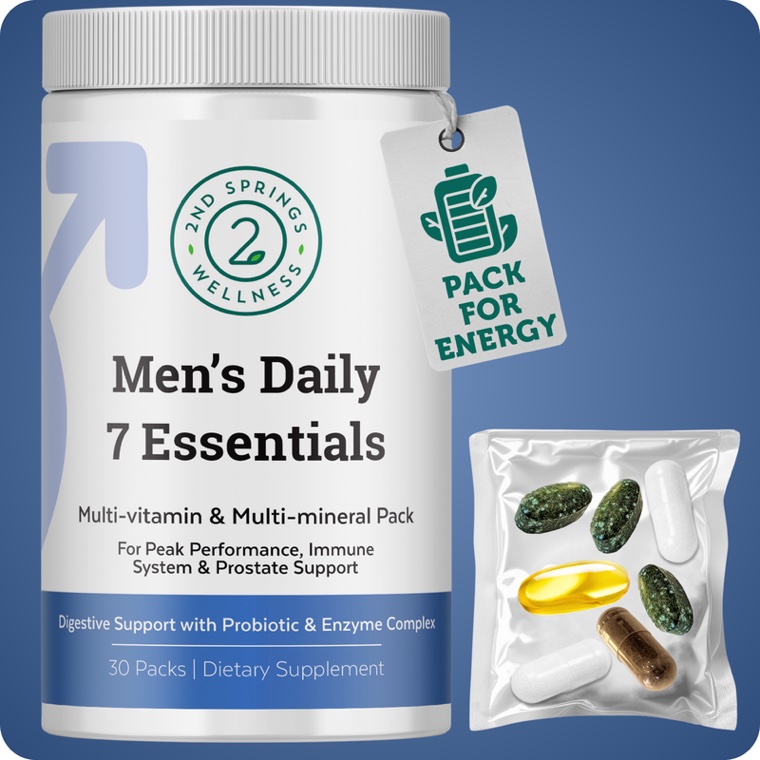
Compressing food into one or two meals makes it harder to reach a day's protein and micronutrient intake, and the TREAT trial saw lean mass fall. Anyone eating this way is worth reviewing with a clinician or dietitian rather than adding supplements blind.
Supplements can support good habits. They do not replace sleep, movement, nutrition, or medical care. Talk with your healthcare provider before starting anything new.
This is educational commentary, not medical advice, and does not imply that Sadhguru endorses, is affiliated with, or uses Winning Longevity or any product. We critique the claim and the evidence, not the person. Any direct quote is a placeholder until sourced. Talk with a qualified healthcare provider before changing your routine. See our health disclaimer.