The claimWhat Tony actually said
Speaking to Fox News Digital in 2023 at age 54, Hawk described paying closer attention to cholesterol and blood pressure while continuing to skate. He said his style of skating had changed but still kept him engaged, and framed general movement, not skating specifically, as the thing that matters with age.
- foxnews.com: Tony Hawk in their own words
- Ekelund U, BMJ, 2019, harmonised meta-analysis of accelerometer cohorts found a steep inverse dose response between total physical activity and all cause mortality
- Arem H, JAMA Internal Medicine, 2015, pooled analysis of six cohorts found about 20 percent lower mortality at half the recommended activity level and about 39 percent at three to five times it
- Saint-Maurice PF, JAMA, 2020, higher daily step counts were associated with lower all cause mortality in US adults, with intensity adding little after total steps
Why it mattersWhy this matters for longevity
The steepest drop in mortality risk comes from moving from almost nothing to a little, which is the most reachable change most people have.
Framing longevity around movement in general rather than one sport removes the excuse of not liking the gym.
Loss of everyday mobility, not loss of athletic performance, is what tends to end independence later in life.
The evidenceWhat the science says
Ekelund and colleagues pooled accelerometer measured activity across cohorts and found a steep inverse dose response with all cause mortality, with light activity counting. Arem and colleagues, pooling six cohorts, found roughly a 20 percent lower mortality risk at just half the recommended activity level and about 39 percent at three to five times the recommendation. Step count data from Saint-Maurice and colleagues show the same pattern, with total daily steps tracking mortality more strongly than step intensity.
What this evidence does not support is any claim that continuing a high impact sport into your fifties is itself protective, or that skating specifically extends life. These are observational cohorts, so reverse causation is a live concern: people who are already healthier move more. No randomized trial has assigned people to decades of activity and measured lifespan, and high impact activity carries an injury cost that Hawk himself has paid with a broken femur.
TakeawayThe honest takeaway
The practical lesson
Pick something you will actually keep doing, and count light movement as real movement rather than waiting for a proper workout.
Planning for a parent, or for yourself?
Good habits matter, and so does knowing what help exists. AIOSeniors asks a few questions and gives you a free, personalized list of what applies: government programs, nonprofits and community resources included, whether or not anyone earns anything from them. Where the answer is not known, it says so.
RelatedRelated habits
Each of these is a habit you can build on its own. Explore them through the Topics index.
SupplementsThe supplement angle: Protein and vitamin D
Support a habit, do not replace one
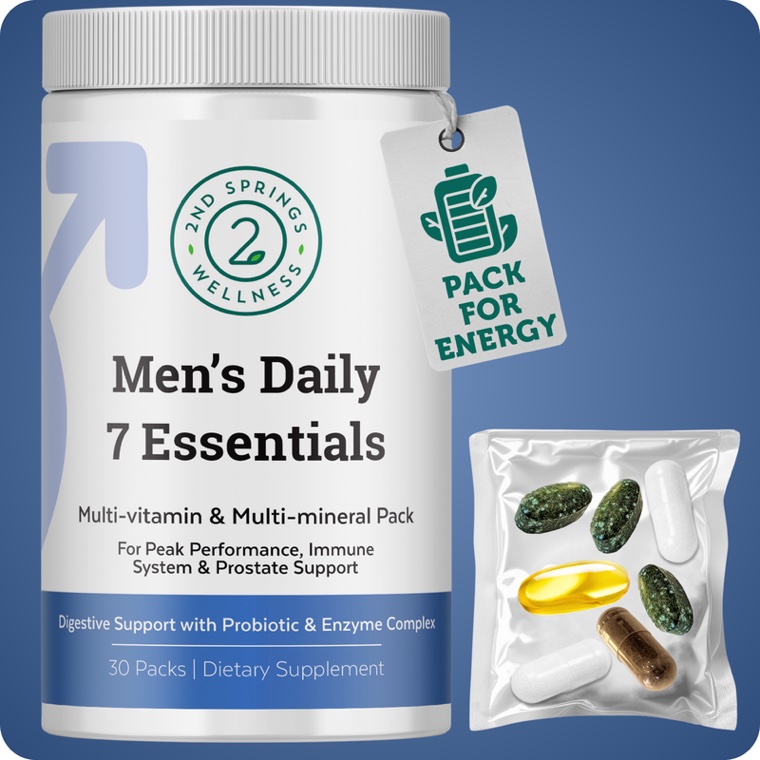
Adults who stay active into later life have generally higher protein needs than official minimums, and vitamin D status is commonly low in people who train indoors. Both are worth discussing with a clinician rather than guessing, and neither substitutes for the movement itself.
Supplements can support good habits. They do not replace sleep, movement, nutrition, or medical care. Talk with your healthcare provider before starting anything new.
This is educational commentary, not medical advice, and does not imply that Tony Hawk endorses, is affiliated with, or uses Winning Longevity or any product. We critique the claim and the evidence, not the person. Any direct quote is a placeholder until sourced. Talk with a qualified healthcare provider before changing your routine. See our health disclaimer.