The claimWhat Willie actually said
Speaking to Slate at 87 for its series on influential Americans over 80, Nelson described a modest daily routine of walking or jogging, plus decades of martial arts practice. He framed it as maintenance rather than performance: something small done every day. He has continued touring into his nineties.
- slate.com: Willie Nelson in their own words
- Ekelund et al., BMJ, 2019, harmonised meta-analysis of accelerometer-measured activity found a steep dose-response with lower all-cause mortality, largest gains at the low activity end.
- Paluch et al., Lancet Public Health, 2022, meta-analysis of 15 cohorts found lower mortality with more daily steps, plateauing near 6,000 to 8,000 steps per day in adults aged 60 and over.
- Momma et al., British Journal of Sports Medicine, 2022, muscle-strengthening activities were associated with lower risk and mortality across major non-communicable diseases.
Why it mattersWhy this matters for longevity
The dose that carries most of the benefit is small, which makes it reachable for people who assume exercise means the gym
Daily consistency appears to matter more than intensity in the cohort data on older adults
Loss of walking capacity is one of the strongest predictors of losing independence
The evidenceWhat the science says
Ekelund and colleagues pooled accelerometer-measured activity across cohorts in the BMJ and found a steep dose-response: any-intensity activity above the lowest quartile tracked with sharply lower all-cause mortality, with most of the benefit concentrated at the low end. Paluch and colleagues, pooling 15 international cohorts in Lancet Public Health, found lower mortality with more daily steps and a plateau at roughly 6,000 to 8,000 steps per day in adults aged 60 and over. Momma and colleagues found muscle-strengthening activity independently associated with lower mortality, which fits the martial arts side of Nelson's routine.
What this evidence does not support is a causal or personal claim. These are prospective cohorts, so reverse causation is a live concern: people who are already healthier at 90 walk more, and walking more may not be why they reached 90. Nothing here shows that daily walking extends any individual's life, and Nelson's longevity is not evidence of anything by itself. There is also no trial of a routine this small in adults over 90, because that population is barely studied.
TakeawayThe honest takeaway
The practical lesson
A short daily walk sits on the steepest part of the benefit curve, so starting small is not a compromise version of exercise.
Planning for a parent, or for yourself?
Good habits matter, and so does knowing what help exists. AIOSeniors asks a few questions and gives you a free, personalized list of what applies: government programs, nonprofits and community resources included, whether or not anyone earns anything from them. Where the answer is not known, it says so.
RelatedRelated habits
Each of these is a habit you can build on its own. Explore them through the Topics index.
SupplementsThe supplement angle: Protein and vitamin D
Support a habit, do not replace one
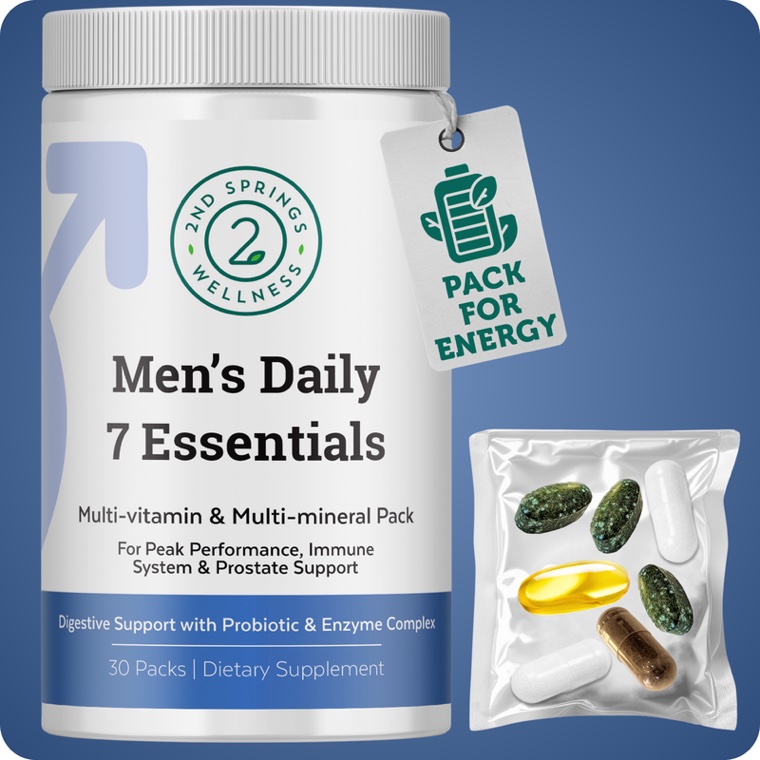
Adequate protein intake and vitamin D status are commonly discussed alongside activity in older adults because both relate to muscle maintenance. Whether supplementing either adds anything for someone already eating well is not settled, and this is a question for a clinician who knows the person's bloodwork.
Supplements can support good habits. They do not replace sleep, movement, nutrition, or medical care. Talk with your healthcare provider before starting anything new.
This is educational commentary, not medical advice, and does not imply that Willie Nelson endorses, is affiliated with, or uses Winning Longevity or any product. We critique the claim and the evidence, not the person. Any direct quote is a placeholder until sourced. Talk with a qualified healthcare provider before changing your routine. See our health disclaimer.